Investment & Market Access Forum Business Breakfast
Where can investment make the biggest difference in Africa’s poultry and feed sector?
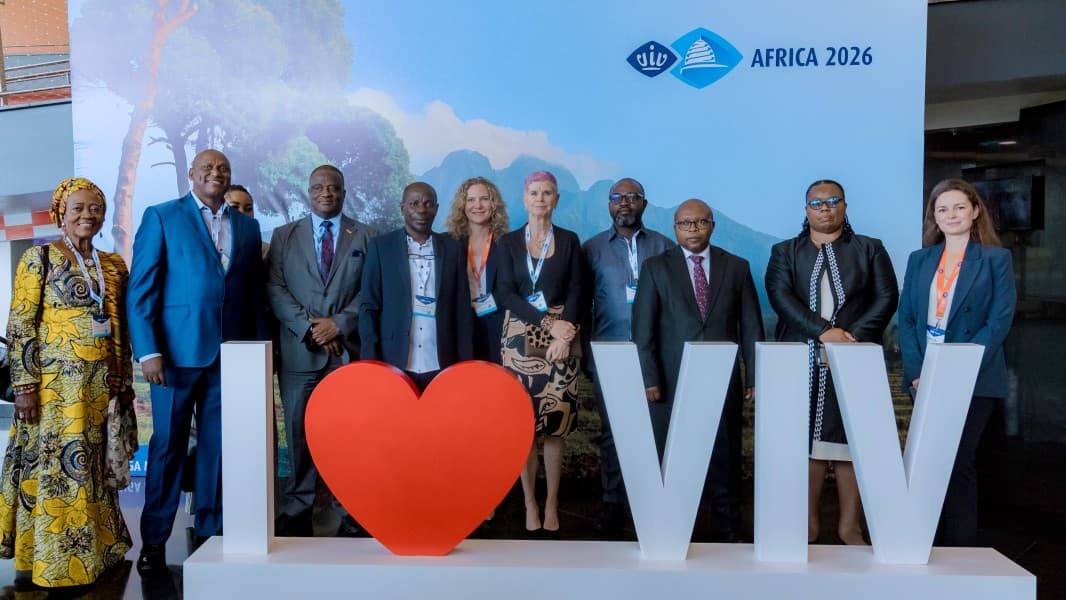
That was the question we put to a room of producers, financiers, genetics and feed companies, and policymakers during the recent Investment & Market Access Forum Business Breakfast during #VIVAfrica2026 in Kigali, opened by Hon. Dr. Solange Uwituze, Minister of State for Agriculture and Animal Resources.
The demand is not in question. Africa’s poultry industry is growing 4–5% a year, egg consumption has a long way to climb, and the continent now features in the boardroom discussions of global companies. What the room agreed on is where capital should go next:
Feed. Maize, soybean and alternative proteins are the sector’s biggest bottleneck and its most investable opportunity. Regional supply corridors under AfCFTA, clearer production signals to farmers and models like DAVET’s Azolla and black soldier fly protein all came up as ready to scale.
The missing middle. Mid-sized, professional producers are ready to double and triple output. What they lack is long-tenor finance at reasonable rates, investable data and dependable buyers. Fixing this is where the sector’s next growth will come from.
Genetics and the full chain. Hy-Line International calls Africa its largest and fastest-growing market and is open to partnerships in Rwanda. De Heus is expanding feed, hatchery and parent-stock operations across East, West and Southern Africa. The message from both: go local, go long-term, and build the whole chain.
Smallholders. Productive assets, training, veterinary support and aggregation turn 2 million farming households into reliable suppliers. DAVET is already doing it with more than 5,000 of them.
None of these works alone. Investment in production depends on reliable inputs, functioning markets, predictable policy and someone to coordinate the pieces. Dr. Agnes Kalibata closed with three things the sector can do together: send clearer feed-production signals to farmers, share regional biosafety and genetics infrastructure instead of duplicating it, and coordinate disease management and market policy. RFIP will carry that agenda forward with our partners.
Thank you to Hon. Minister of State Dr Solange Uwituze, Dr. Agnes Kalibata Ishmael Sunga Nan-Dirk Mulder Adeline Mukayirere Jonathan Cade, our industry contributors, moderator Alex Stewart and facilitator Adam Gerstenmier.
RFIP was pleased to co-host with Rwanda’s Ministry of Agriculture and Animal Resources and VIV Worldwide, with contributions from SACAU, Rabobank DAVET De Heus Guido Stevens and Hy-Line International. If you are a partner ready to turn these opportunities into practical investments, we would like to talk.